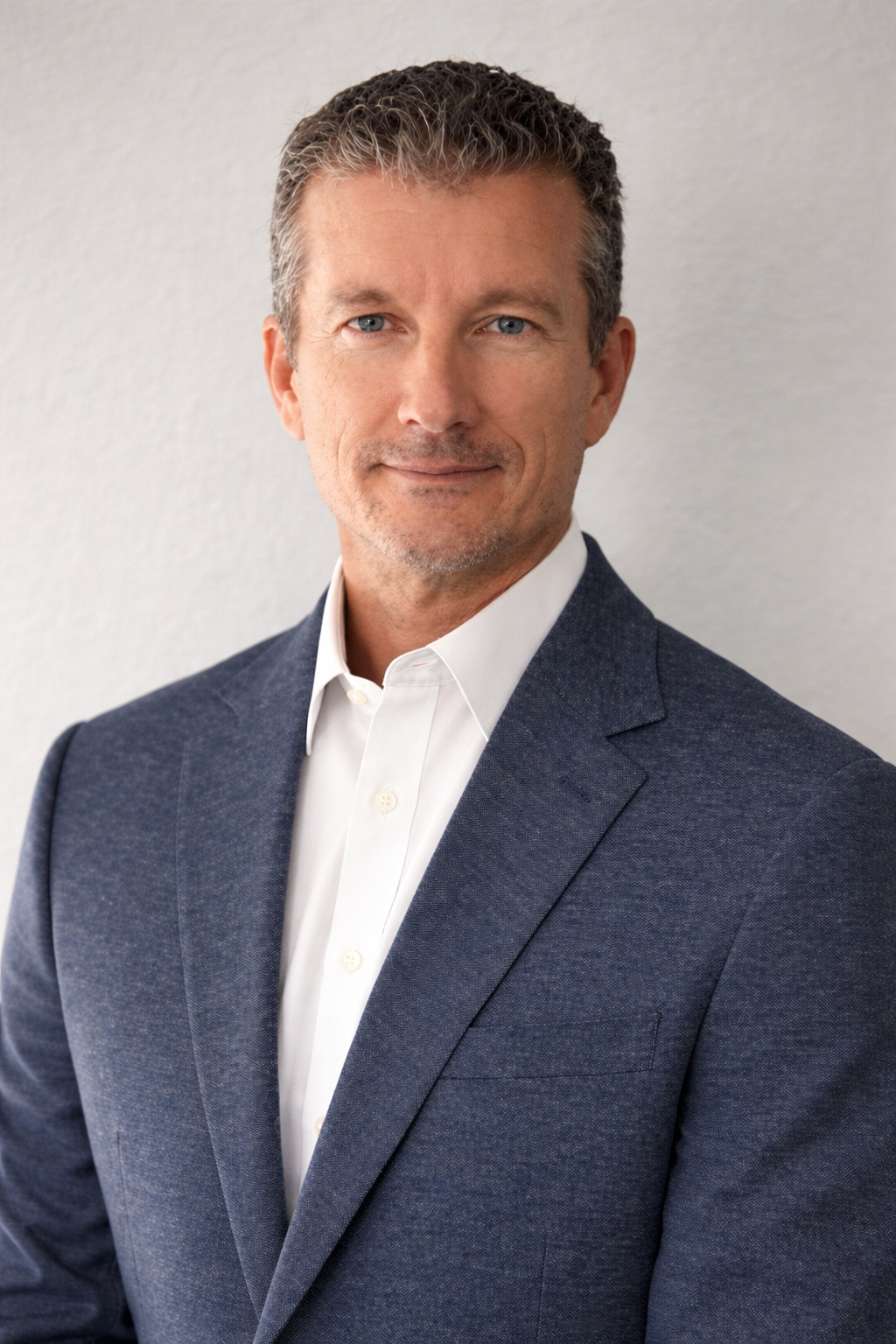
Principal & Founder
Robert Weir, PA(ASCP)
Certification
PA(ASCP)
Experience
28 Years
Lab Operations
15 Yrs · Two Private Labs
Academic Role
Resident Instructor
I am a board-certified Pathologists' Assistant with 28 years of quaternary surgical pathology experience. My career has been built in the pathology laboratory — examining and describing surgical specimens across a broad range of organ systems and tissue types, spanning complex oncologic and non-oncologic surgical pathology.
For 15 of those years, I served as laboratory operations manager at two private surgical pathology laboratories. In those roles I had direct oversight of pre-analytical specimen handling protocols, analytical workflow systems, and post-analytical reporting and retention processes — the same four domains that form the structural foundation of the Pathology Vulnerability Assessment.
I currently hold an academic role teaching gross surgical pathology to pathology residents — a discipline that demands precision in findings and clarity in communication.
When a pathology-related claim reaches an attorney's desk, the question is rarely simple. The diagnostic pathway is long, involves multiple handoffs, and is governed by standards most attorneys have no reason to know. The Pathology Vulnerability Assessment gives counsel a structured, independent audit of that pathway — identifying where vulnerabilities exist and what they mean for the case.
The pathway encompasses far more than the microscopic interpretation of slides. Specimen collection, handling, accessioning, processing, reporting, and retention are each governed by professional standards — and each represents a potential point of failure. The PVA audits the complete pathway, phase by phase, so that nothing goes uninspected.
Pathology reports are complex documents prepared for clinicians. When patients receive them — through a portal, by request, or handed across a desk — they arrive without context, without explanation, and without anyone to answer questions. Treating physicians rarely have the time — or the specific pathology vocabulary — to perform that translation in a brief appointment. That gap is what Division II exists to close: one-on-one, with a credentialed pathology professional who has spent nearly three decades in the laboratory.
Select the path that applies to you.